Experience / OHSU
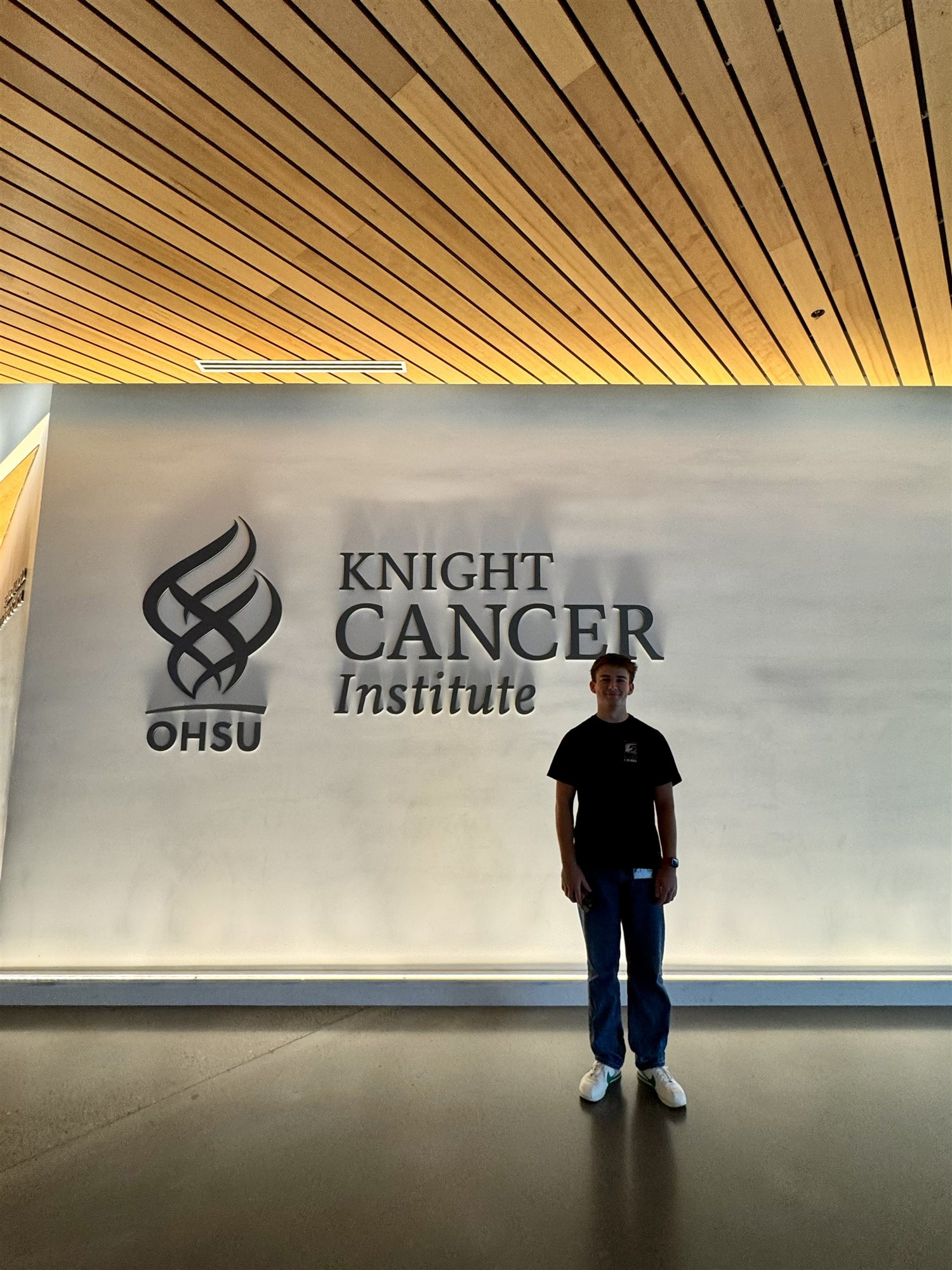
OHSU Knight Cancer Research Institute
Research intern, prostate and pancreatic cancer labs
- Dates
- Jul – Sep 2024, Aug – Sep 2025
- Location
- Portland, OR
- Focus
- Cell culture and assays
- Tools
- Incucyte, Fiji/ImageJ, Excel
Overview
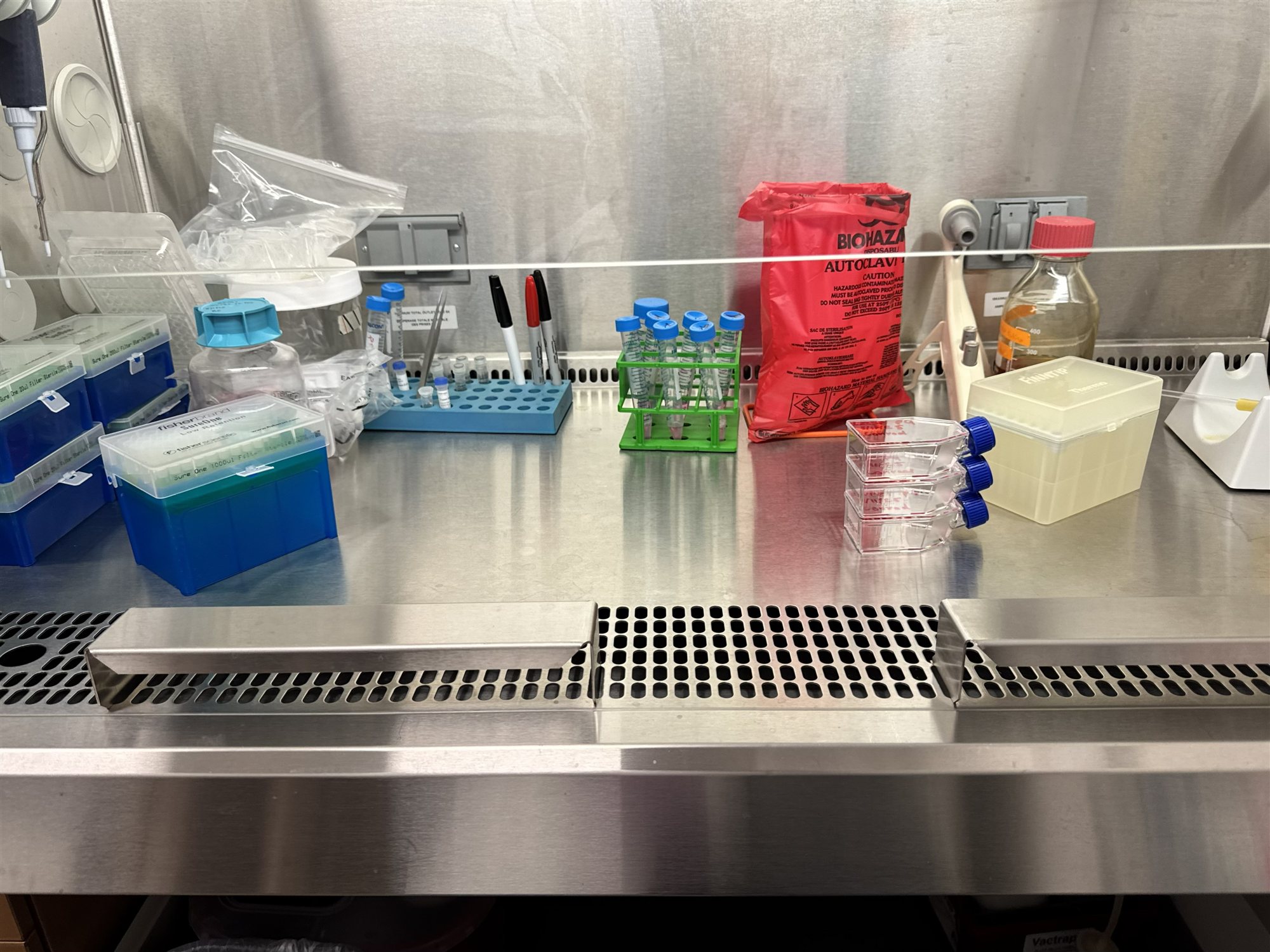
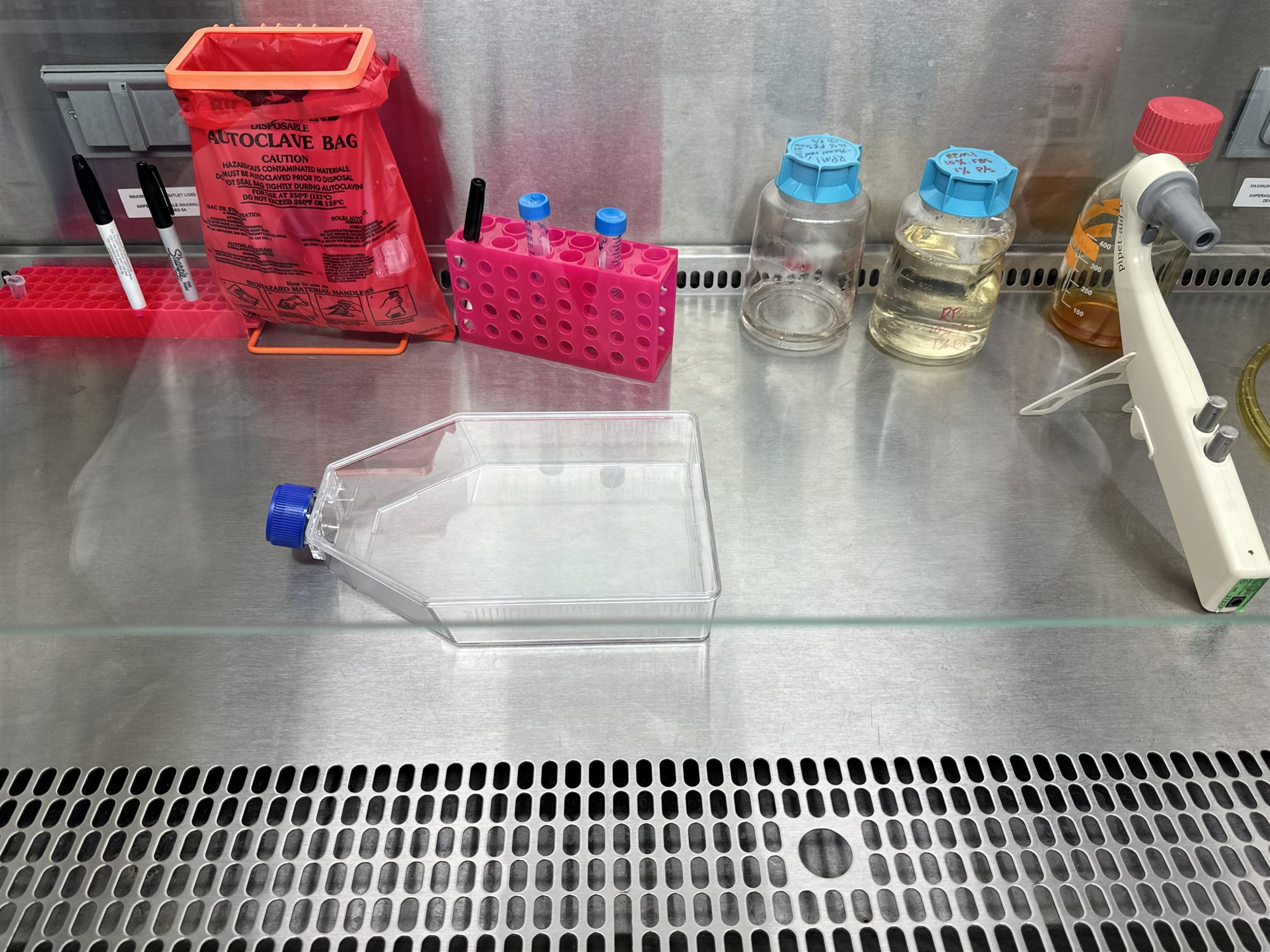
I interned at the OHSU Knight Cancer Research Institute in Portland for two summers (Jul–Sep 2024 and Aug–Sep 2025). Most of my work was cell culture, biological assays, and image-based analysis supporting prostate and pancreatic cancer research.
Cancer cell research depends on keeping cell lines healthy and consistent, and on generating data that can actually be trusted and repeated. Small deviations in technique or timing can affect results, so the lab work is as much about discipline and documentation as it is about the biology itself.
What I did
- Maintained about 15 metastatic cancer cell lines through routine cell culture, sample prep, and biological assays
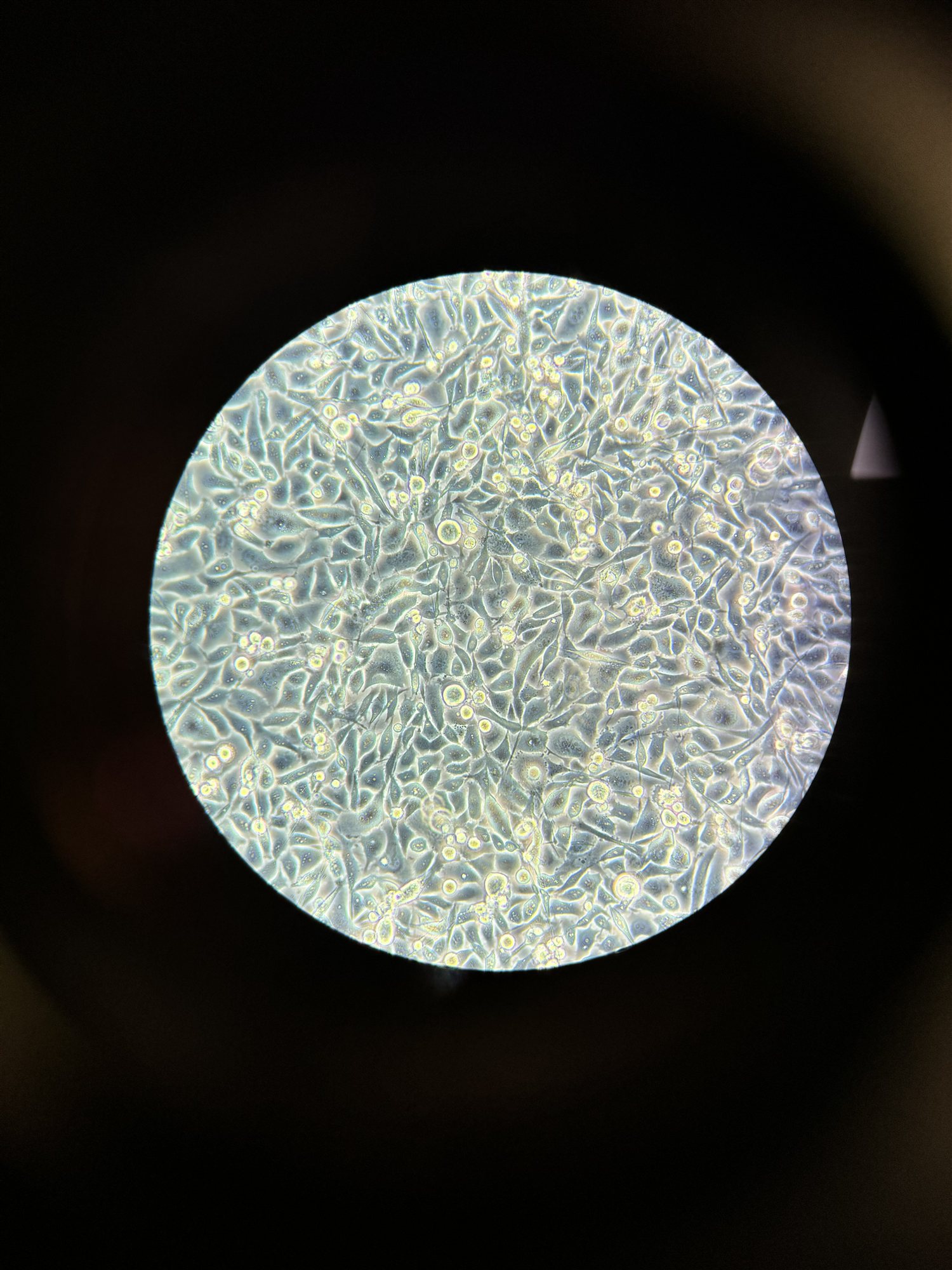
- Sustained a CRISPR-knockout prostate cancer line that showed a 40× increase in proliferation over wild type, documented with Incucyte live-cell imaging
- Assisted with murine surgical procedures and rat dissections for pancreatic cancer research
- Recorded and analyzed data in Excel and Fiji/ImageJ
Lab practices
- Sterile technique. Maintaining sterile conditions to keep cell cultures free of contamination.
- Protocol adherence. Following established lab protocols precisely, since small deviations can affect cell health and results.
- Consistent documentation. Recording procedures and observations in a way that supports reproducibility.
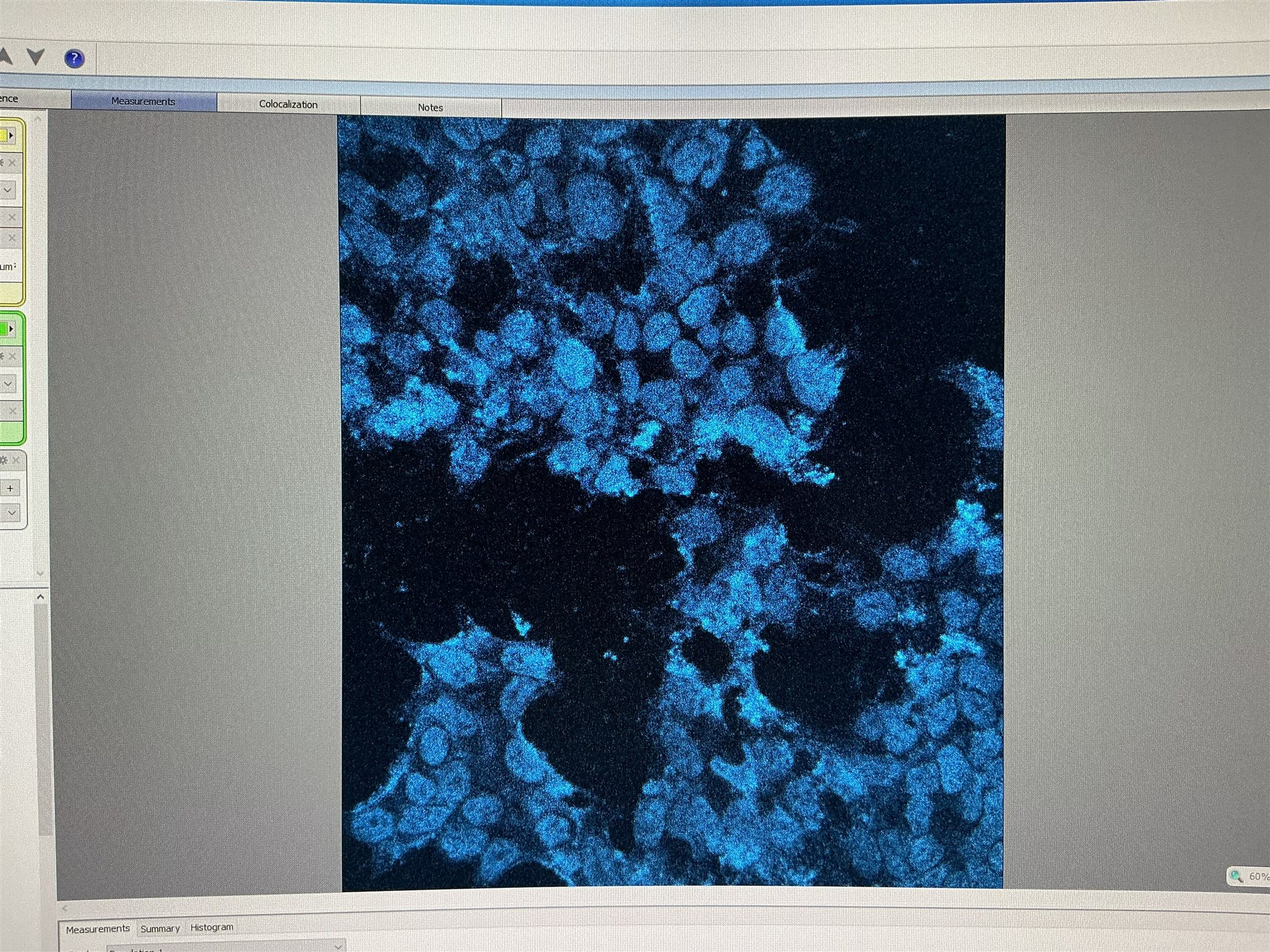
- Quantitative imaging. Using light microscopy, Incucyte live-cell imaging, and Fiji/ImageJ to turn what you see under the microscope into numbers.
Challenges
Working with living cell cultures leaves little room for error. Contamination, timing mistakes, or inconsistent technique can compromise an entire experiment, so a large part of this experience was building the patience and precision needed to execute a protocol the same way every time, across about 15 cell lines at once.
What I learned
- The discipline required to execute a lab protocol consistently and reproducibly across many cell lines
- How to turn microscopy and live-cell imaging data into quantitative results
- The importance of careful documentation in research work
- Exposure to animal research procedures in support of pancreatic cancer research